

Buying a used car can be a smart financial move, especially in Zimbabwe, where import duties and currency challenges make brand-new cars a costly option. But purchasing second-hand doesn't mean you should settle for less. A careful inspection can help you avoid hidden mechanical issues, save money in the long run, and ensure peace of mind.
Whether you're purchasing from a dealership, a private seller, or an online marketplace like Carmusika, this comprehensive checklist will guide you through inspecting a used car before buying. Let’s dive into what you need to check—step by step.
1. Start with the Paperwork
Before you even touch the car, ensure all documentation is in order. Request to see:
-
The vehicle registration book (logbook) — Check if the seller is the legal owner.
-
Proof of insurance — Confirm that the vehicle was insured previously.
-
Service history — A well-maintained car will usually have a record of services and repairs.
-
ZIMRA clearance — Especially important for imported vehicles.
-
Vehicle Identification Number (VIN) — Cross-check this number on the chassis and paperwork to confirm authenticity.
Tip: Be cautious of deals that seem too good to be true. Stolen or illegally imported vehicles often have missing or fake documents.
2. Exterior Inspection: First Impressions Matter
A visual inspection can reveal a lot about the car’s condition. Here’s what to look for:
-
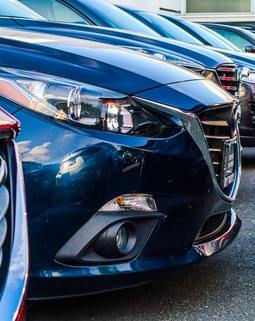
Bodywork: Look for dents, scratches, and rust, especially around the wheel arches and undercarriage.
-
Panel gaps: Uneven gaps may indicate the car has been in an accident and poorly repaired.
-
Paintwork: Watch for inconsistent paint shades—it may signal body repairs.
-
Lights: Check all lights and indicators for cracks, moisture, or fading.
-
Tyres: Uneven tread wear could indicate alignment issues or suspension problems.
Tip: Use natural daylight for a more accurate assessment of the exterior condition.
3. Interior Inspection: Comfort and Functionality
Once inside the car, evaluate both the comfort and condition of the interior:
-
Seats and upholstery: Check for tears, burns, or stains.
-
Dashboard and controls: Ensure the speedometer, fuel gauge, air conditioning, infotainment system, and warning lights all work properly.
-
Odometer reading: A very low reading on an older car may suggest tampering.
-
Windows and locks: Manually test all locks, windows, and mirrors for proper function.
Tip: A musty smell might suggest water leakage or mould—a sign to investigate further.
4. Under the Bonnet: Engine and Fluids Check
While you may not be a mechanic, you can still do a basic engine bay check:
-
Engine oil: Pull the dipstick and check the oil colour—it should be golden brown. Black, sludgy oil may mean poor maintenance.
-
Coolant level: Ensure the coolant is topped up and look for signs of oil contamination (a milky texture).
-
Leaks: Look under the engine for signs of oil, coolant, or transmission fluid leaks.
-
Belts and hoses: Should not be cracked or excessively worn.
-
Battery: Look for corrosion around terminals and check the battery age.
Tip: If the seller has recently cleaned the engine bay, be cautious—it could be hiding leaks or dirt buildup.
5. Under the Vehicle: Suspension and Exhaust
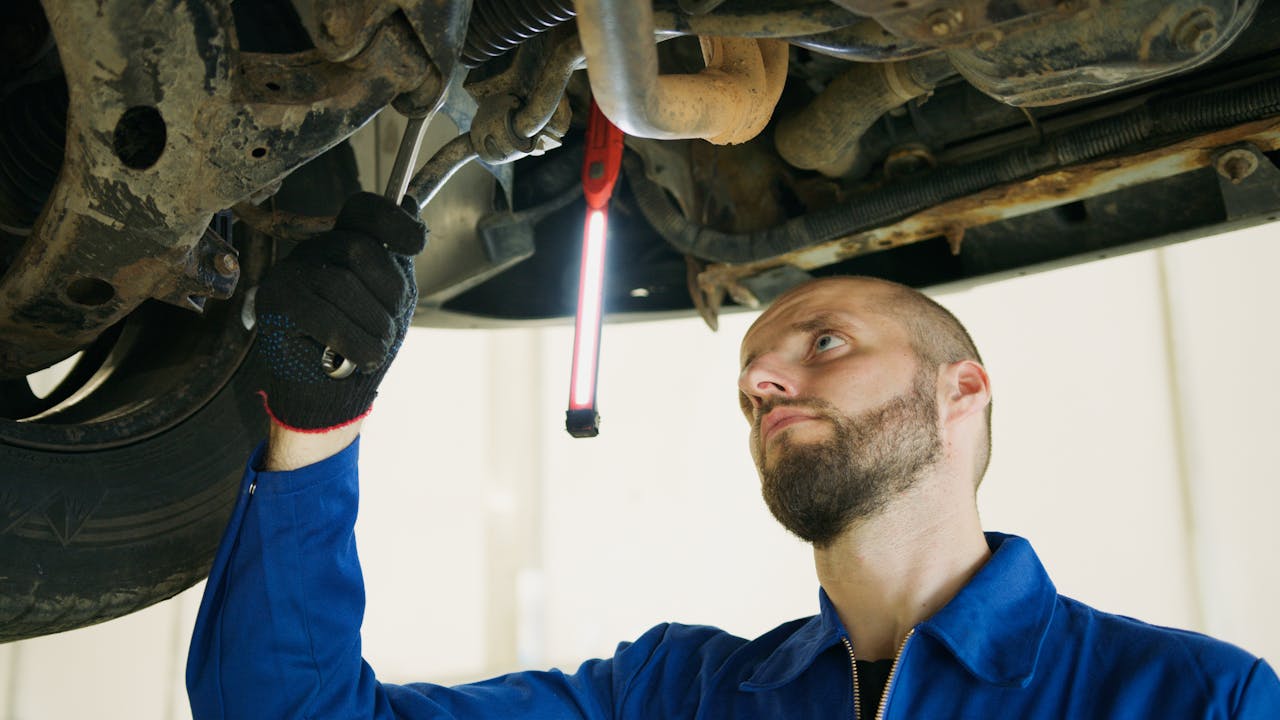
Don’t ignore the underside of the car:
-
Suspension: Push down on each corner of the car; it should bounce back once. Excessive bouncing may indicate worn shocks.
-
Exhaust: Check for rust, holes, or loud sounds—these may signal exhaust problems.
-
Leaks: Any fresh stains or drips on the ground beneath the car are red flags.
Tip: Use a torch to inspect under the car or ask the seller to raise it for better access.
6. Test Drive: Feel the Car in Action
This is one of the most important parts of your inspection:
-
Brakes: Test braking at different speeds. The car should stop smoothly and straight without pulling to one side.
-
Steering: Should feel responsive and centered, without excessive play.
-
Engine performance: Listen for knocks, rattles, or hesitation when accelerating.
-
Gear shifts: Automatic transmissions should change gears smoothly; manuals should shift without grinding.
-
Suspension noise: Listen for any clunks or rattles over bumps or potholes.
Tip: Take the car on a mix of city roads and highways to get a feel for overall performance.
7. Additional Checks and Professional Help
Even if the car passes your personal inspection, it’s wise to:
-
Hire a mechanic for a professional pre-purchase inspection.
-
Check for recalls using the VIN online.
-
Verify market value on local platforms like Carmusika to ensure you're paying a fair price.
Tip: Don’t rush into a purchase. Take your time and walk away if anything feels off.
Final Thoughts
Inspecting a used car thoroughly can save you from expensive repairs and buyer's remorse. By following this checklist, you’ll be better equipped to make a smart and informed decision when shopping for a used vehicle in Zimbabwe.
Want more car buying tips? Discover additional tips here or visit our Car Buying Guide section to stay ahead of the game.